
PRODUCTS
CONTACT US
If you are interested in cooperation, please contact us immediately, we will give you feedback as soon as possible!
Mobile
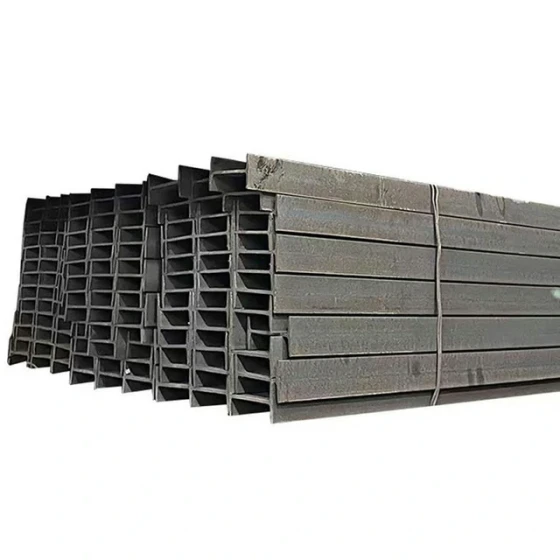
The material of I-shaped steel is generally low alloy high-strength structural steel, which has good properties such as strength, toughness, and corrosion resistance. I-beams have high bending strength, shear strength, and bearing capacity, which can meet the needs of various application scenarios.
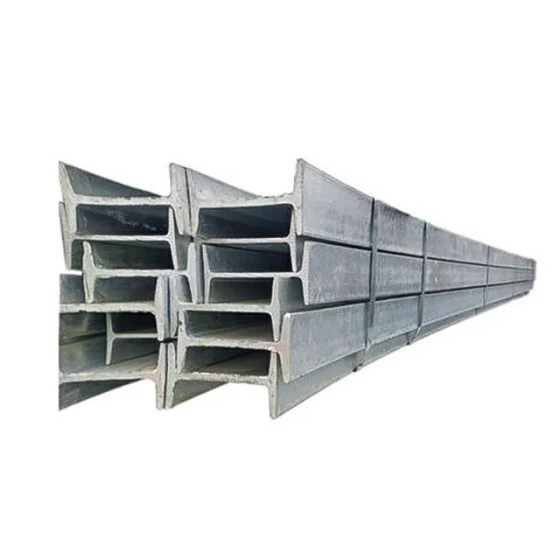
Hot-dip galvanized I-steel is also called hot-dip galvanized I-steel or hot-dip galvanized I-steel. It is to immerse the I-beam after derusting into molten zinc at about 500 ℃ to attach a zinc layer to the surface of the I-beam, thus achieving the purpose of anti-corrosion. It is suitable for strong corrosive environments such as various strong acids and alkali fogs.
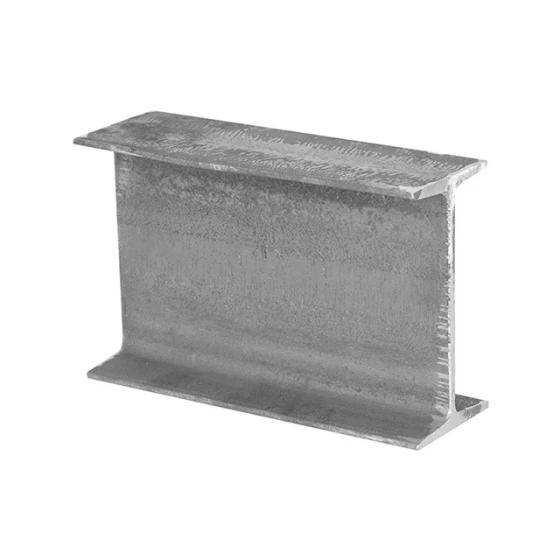
I-beam is mainly divided into ordinary I-beam, light I-beam and low alloy light I-beam. Ordinary I-beam and light I-beam flanges are thick on the web plate and thin on the outside. Ordinary I-beam, light I-beam, because the cross-sectional dimensions are relatively high, narrow, so the section of the two main sleeve moment of inertia difference is large, which makes it in the scope of application has a great limitation.
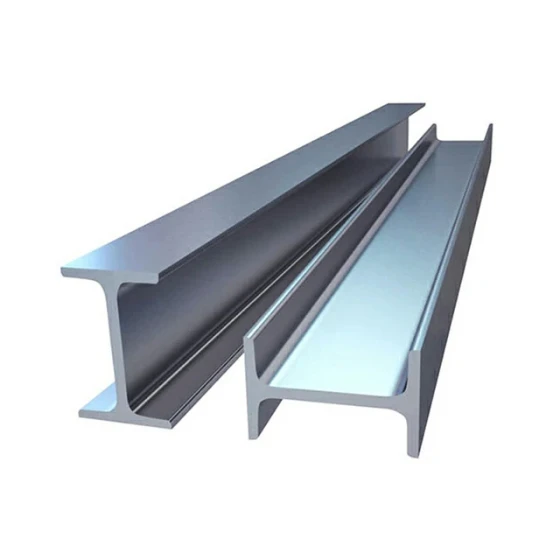
The chemical composition of stainless steel I-beams belongs to general structural rolled steel series, the main test indexes were C, Mn, P and S. According to different grades, the content varies, the approximate range is C<0.08%, Mn: 2.0, P<0.035%, S<0.03%. Materials are widely used in hardware products, medical machinery, food machinery, ships, automobiles, doors and windows, furniture, large machinery, etc.
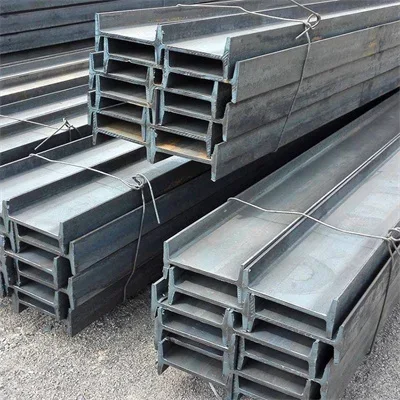
S355JR I-beam is suitable for various engineering structures that need to withstand large loads, such as bridges, building frames, mechanical manufacturing, and ship manufacturing. Its excellent strength and plasticity make S355JR I-beam the preferred material to withstand high-strength loads, providing reliable guarantees for the safety and stability of engineering structures.
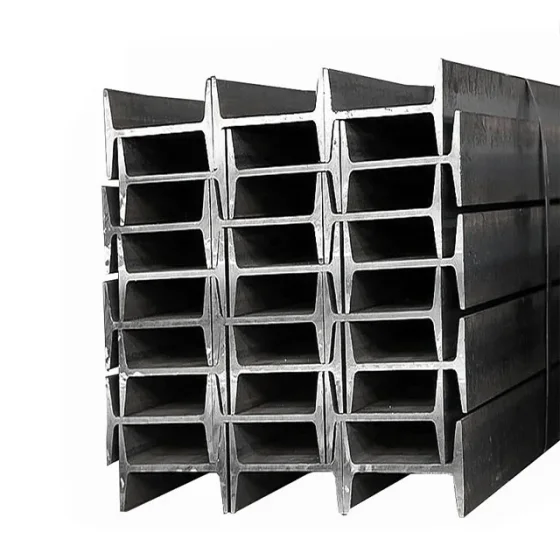
ST37 I-beam has good plasticity and toughness, is not easily brittle, and can maintain structural stability and reliability while bearing large loads. This type of steel has a high elongation and cross-sectional shrinkage, which can effectively absorb energy impacts and improve the fatigue resistance of the structure.


CONTACT US
